Feb 26, 2026
Feb 26, 2026
-
-
5.30pm
5.30pm
Screening
Screening
Screening
Metabolic Socialism: Plants in Soviet Culture
Metabolic Socialism: Plants in Soviet Culture
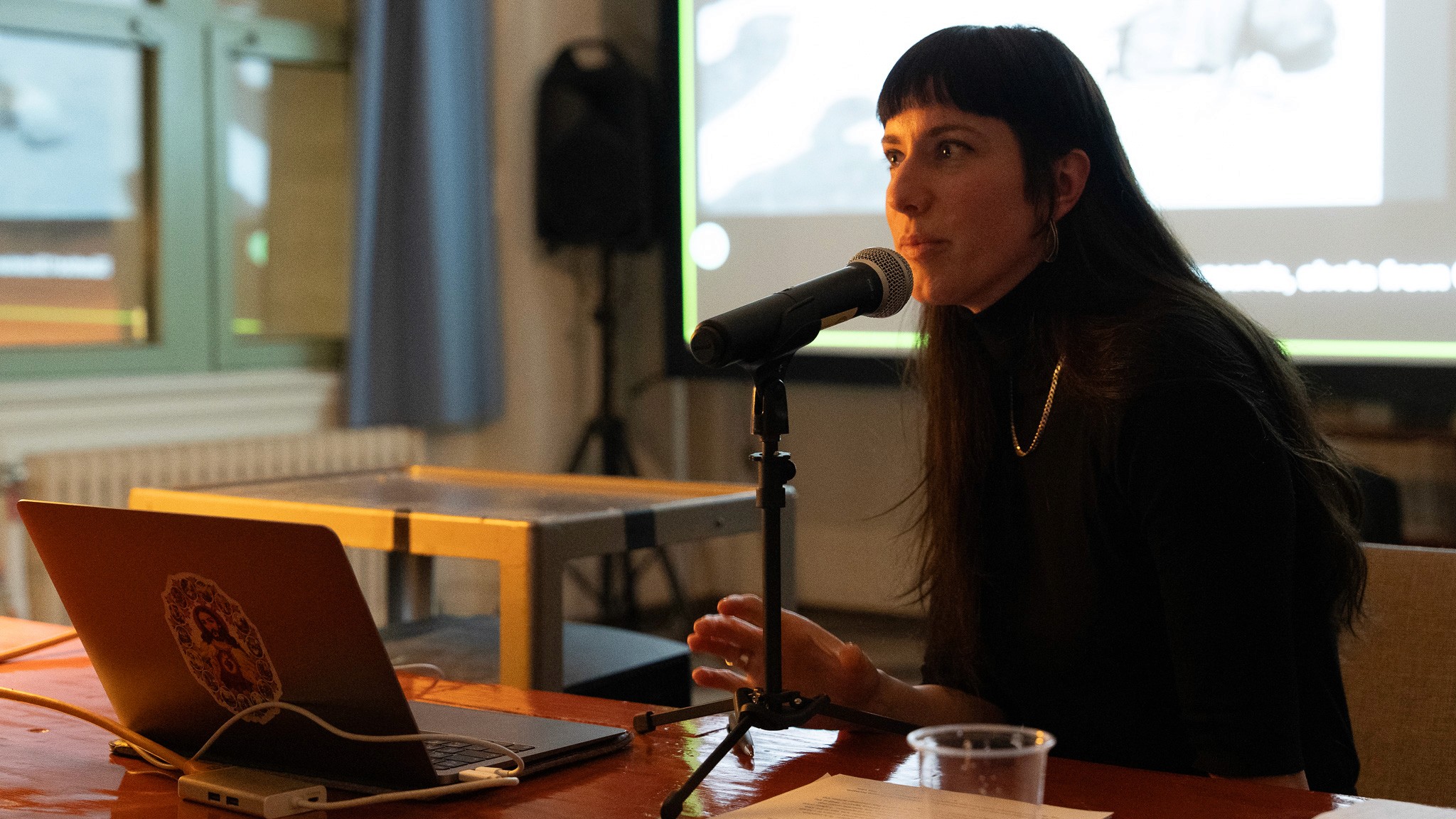
Talk, Screening, and Discussion
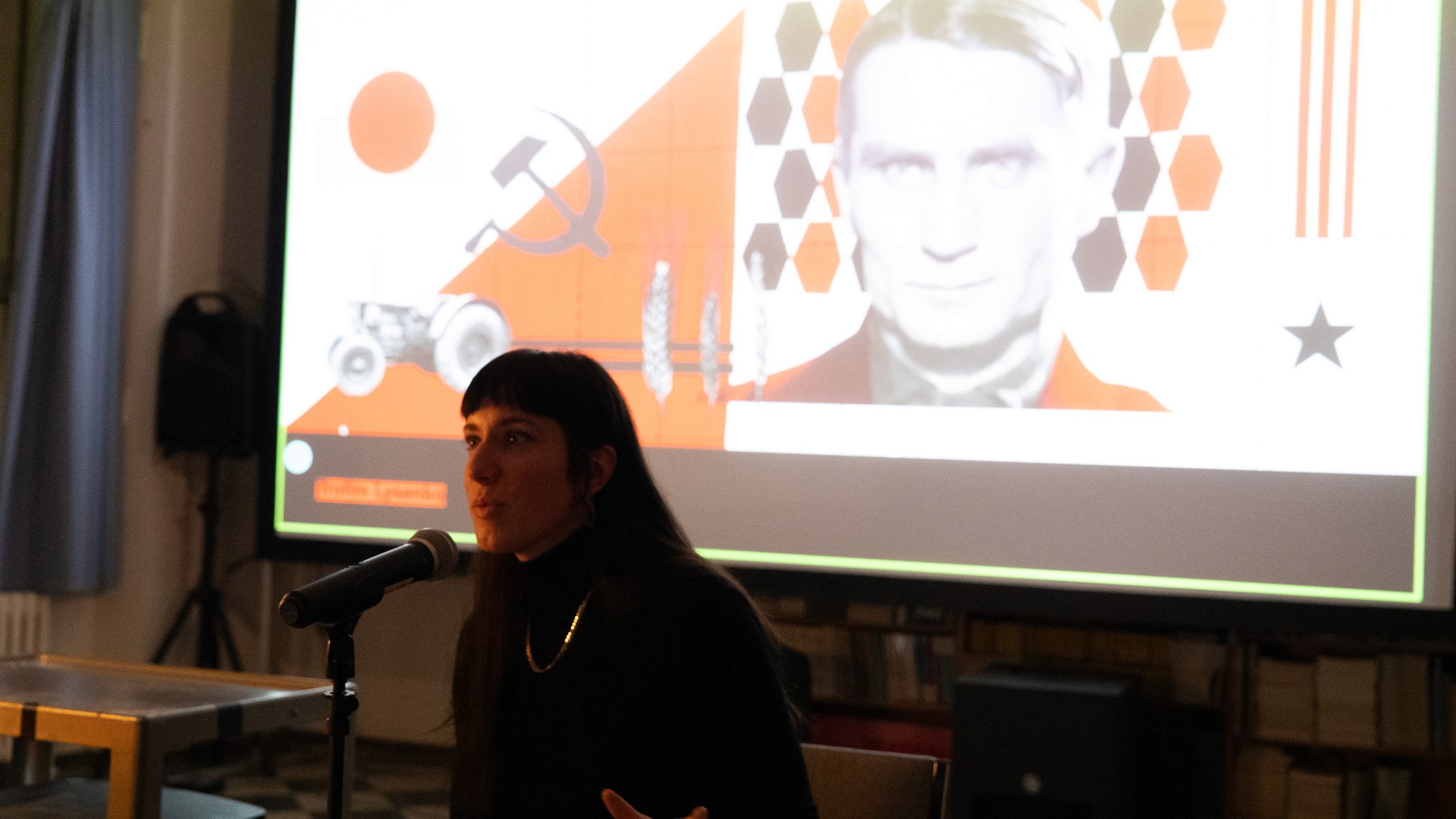
With Isabel Jacobs In-Person
Location: Peterson Hall 108
Part of the Dandelions Screening Series, Presented by Leadership for the Ecozoic
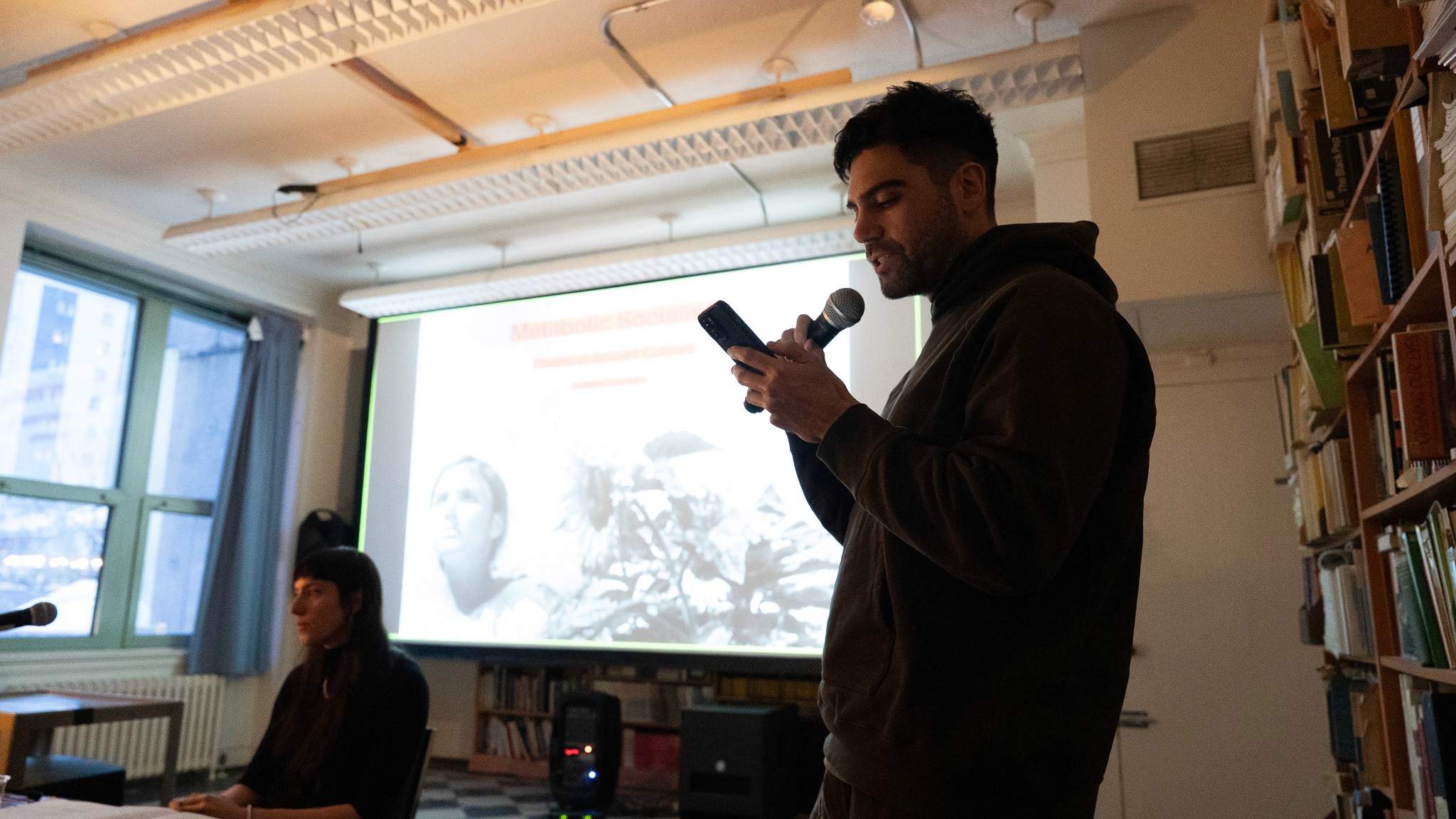
Moderated by Prof. Daniel Schwartz
Synopsis:
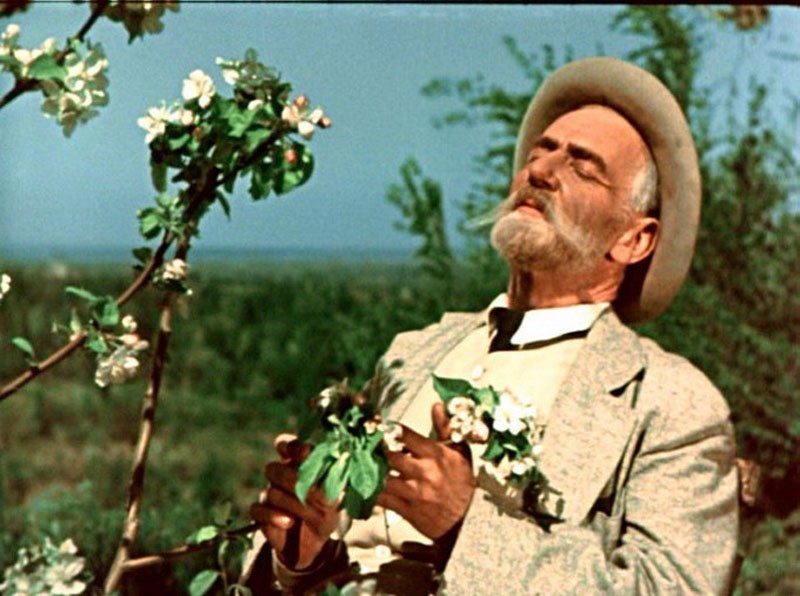
This workshop introduces “metabolic socialism” as a new way of looking at non-human life in the Soviet Union. Drawing on theoretical and scientific texts, as well as avant garde cinema and popular science film, the workshop examines the role of plant life in Soviet culture, focusing on metabolic thinking. Drawing on Marxist ecology, critical plant philosophy and organism-oriented ontology, the workshop examines how plants functioned as material resources to exploit, scientific objects, nonhuman comrades and philosophical models. Plants were an integral part of the Soviet project of transforming bodies, society and the environment into one socialist organism. Soil fertility, energy circulation, vegetal growth, and biospheric interdependence were foundational to cultural production throughout the Soviet period (with at times devastating environmental and sociopolitical consequences such as Lysenkoism). The workshop also suggests the renewed relevance of Soviet botany for the current ecological crisis, particularly alternative evolutionary models as well as concepts of mutualism, symbiogenesis and microbial and plant cooperation. Metabolic socialism challenges both mechanistic and vitalistic views of life, emphasizing processuality and the interdependence of species within the biosphere. This workshop explores how films mediated these ideas, exploring the entanglement of scientific theory, ecological thought and aesthetic practice.
Bio:
Isabel Jacobs is a Postdoctoral Fellow at the Institute of Philosophy, Czech Academy of Sciences, where she researches the reception of Goethe’s morphology across the sciences and humanities in socialist Eastern Europe. In 2025–26, she is a Social Relevance of the Humanities Fellow at the Centre for Advanced Study Sofia, Bulgaria. She holds a PhD in Comparative Literature from Queen Mary University of London and an MA in Russian and East European Literature and Culture from University College London. Her work explores the intersection of philosophy, visual culture, and the history of science. She has published widely, with a focus on Alexandre Kojève and Soviet philosophy. Her co-edited volume Authority, History, and Political Theology is forthcoming with Bloomsbury. She is also a film critic, regularly reporting from international festivals.
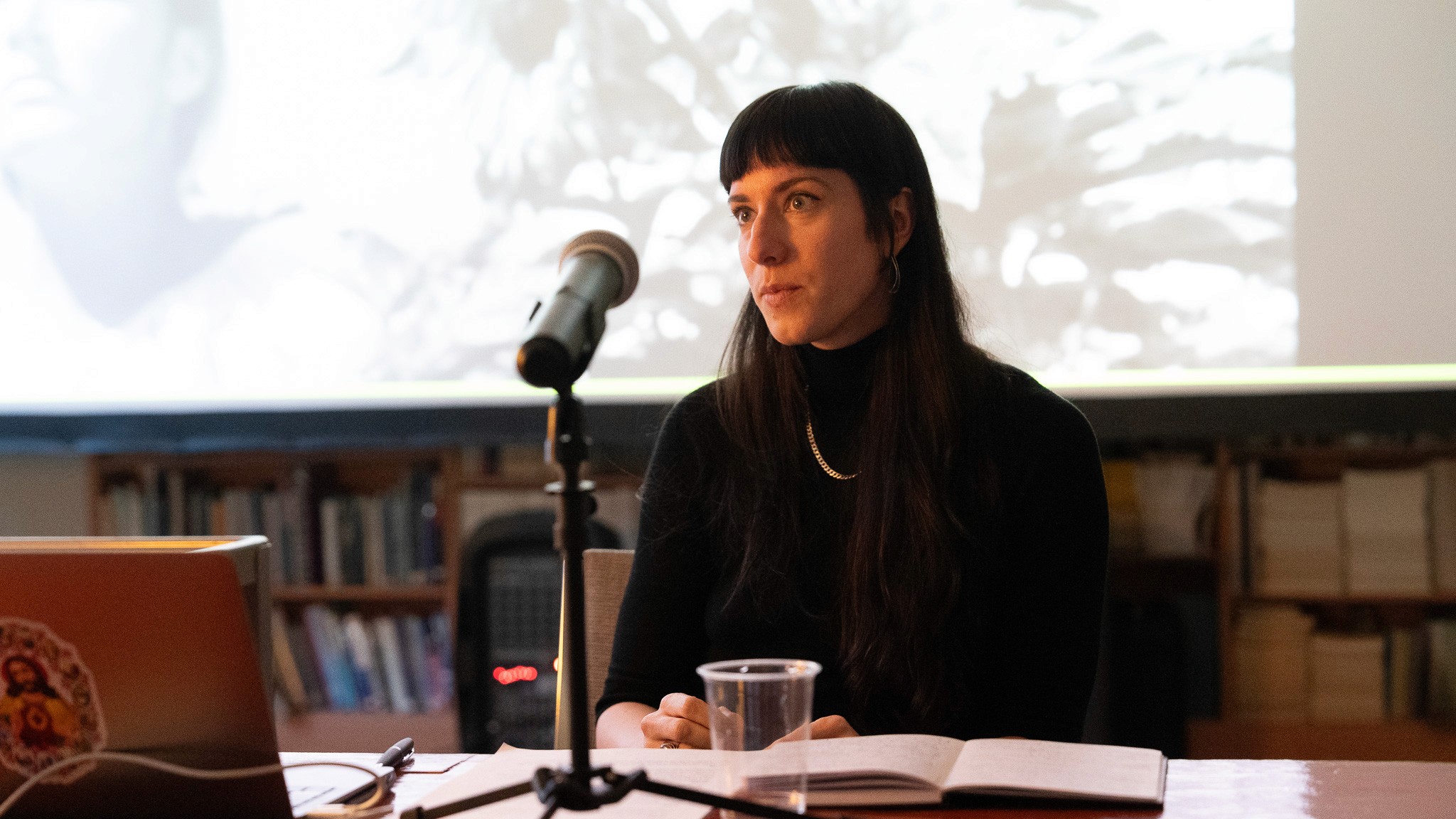
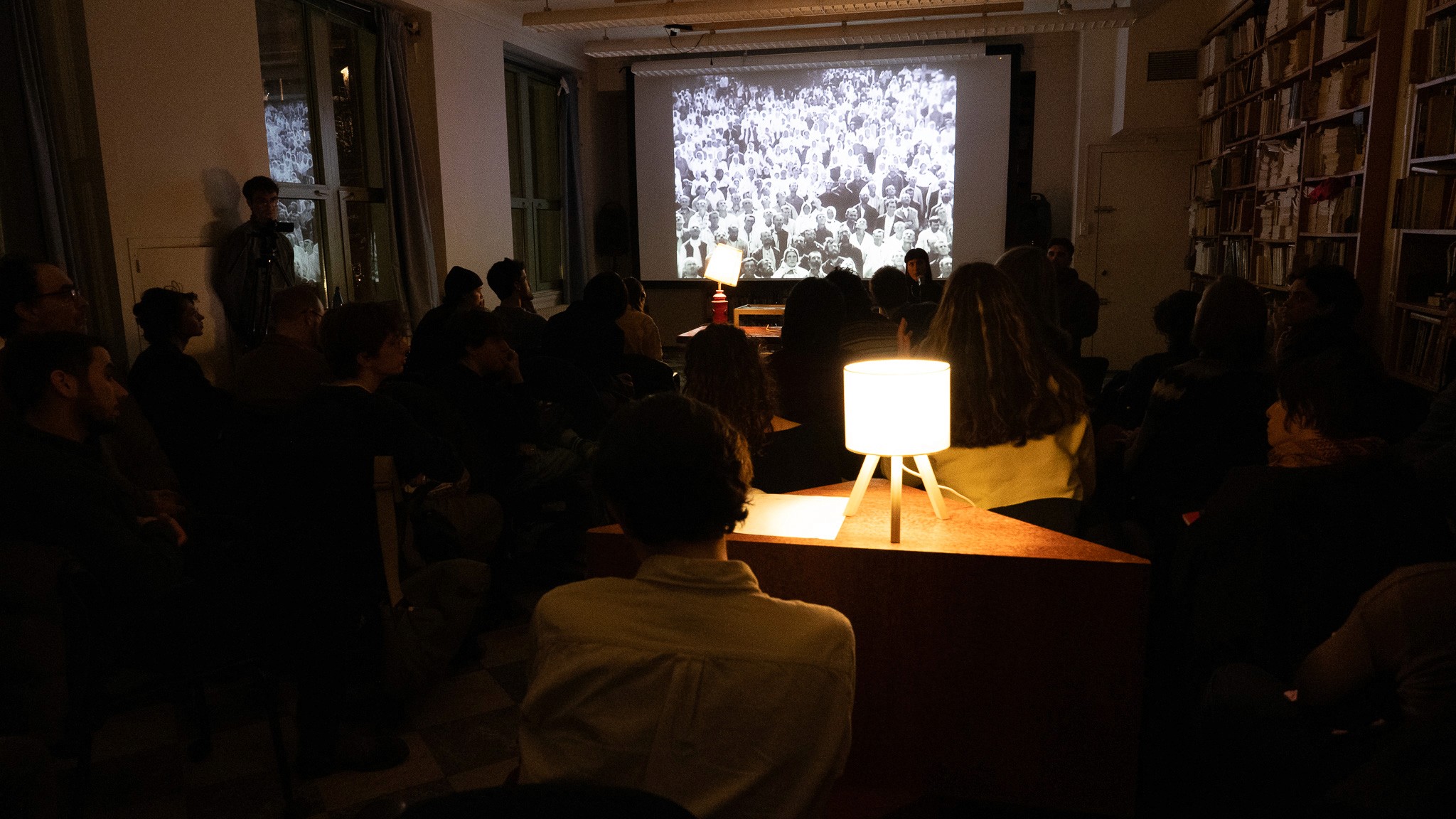
Talk, Screening, and Discussion
With Isabel Jacobs In-Person
Location: Peterson Hall 108
Part of the Dandelions Screening Series, Presented by Leadership for the Ecozoic
Moderated by Prof. Daniel Schwartz
Synopsis:
This workshop introduces “metabolic socialism” as a new way of looking at non-human life in the Soviet Union. Drawing on theoretical and scientific texts, as well as avant garde cinema and popular science film, the workshop examines the role of plant life in Soviet culture, focusing on metabolic thinking. Drawing on Marxist ecology, critical plant philosophy and organism-oriented ontology, the workshop examines how plants functioned as material resources to exploit, scientific objects, nonhuman comrades and philosophical models. Plants were an integral part of the Soviet project of transforming bodies, society and the environment into one socialist organism. Soil fertility, energy circulation, vegetal growth, and biospheric interdependence were foundational to cultural production throughout the Soviet period (with at times devastating environmental and sociopolitical consequences such as Lysenkoism). The workshop also suggests the renewed relevance of Soviet botany for the current ecological crisis, particularly alternative evolutionary models as well as concepts of mutualism, symbiogenesis and microbial and plant cooperation. Metabolic socialism challenges both mechanistic and vitalistic views of life, emphasizing processuality and the interdependence of species within the biosphere. This workshop explores how films mediated these ideas, exploring the entanglement of scientific theory, ecological thought and aesthetic practice.
Bio:
Isabel Jacobs is a Postdoctoral Fellow at the Institute of Philosophy, Czech Academy of Sciences, where she researches the reception of Goethe’s morphology across the sciences and humanities in socialist Eastern Europe. In 2025–26, she is a Social Relevance of the Humanities Fellow at the Centre for Advanced Study Sofia, Bulgaria. She holds a PhD in Comparative Literature from Queen Mary University of London and an MA in Russian and East European Literature and Culture from University College London. Her work explores the intersection of philosophy, visual culture, and the history of science. She has published widely, with a focus on Alexandre Kojève and Soviet philosophy. Her co-edited volume Authority, History, and Political Theology is forthcoming with Bloomsbury. She is also a film critic, regularly reporting from international festivals.