Mar 18, 2026
Mar 18, 2026
-
-
5.30pm
5.30pm
Screening
Screening
Screening
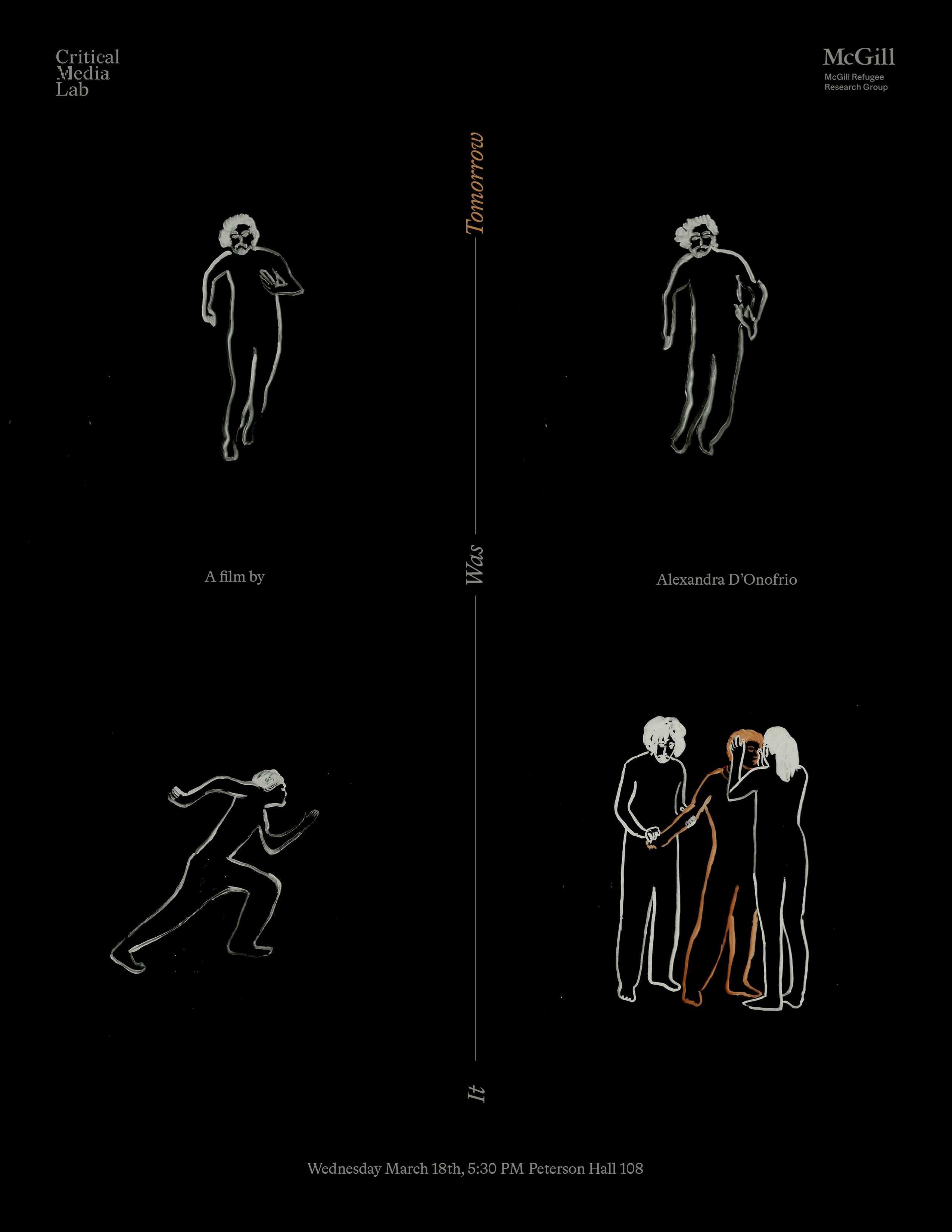
It Was Tomorrow
It Was Tomorrow
It Was Tomorrow (2018)
Screening, and Discussion
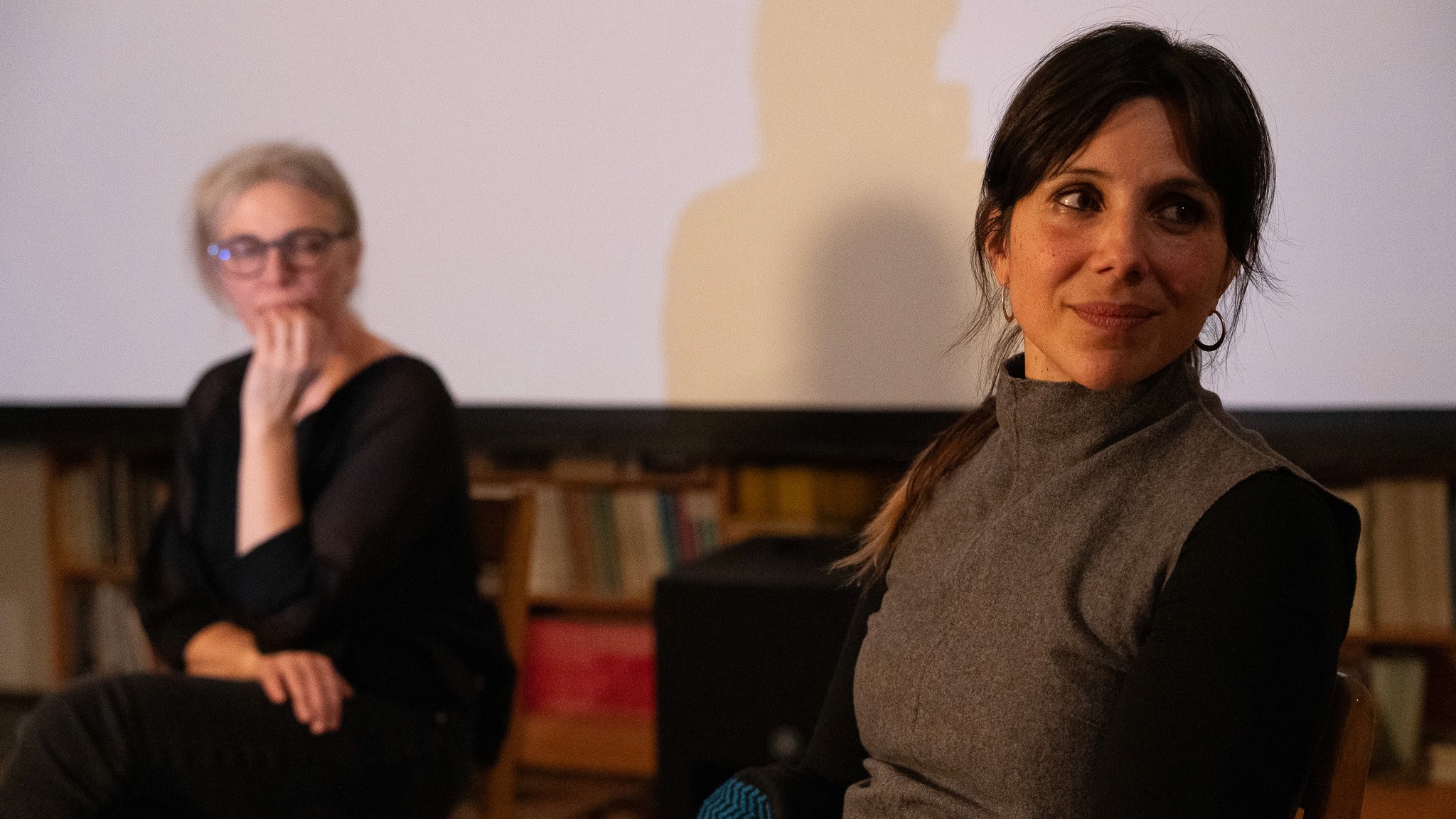
With filmmaker/anthropologist Alexandra D'Onofrio In-Person
Location: Peterson Hall 108
Film Duration: 52 Minutes
Co-Presented by McGill Refugee Research Group
Synopsis:
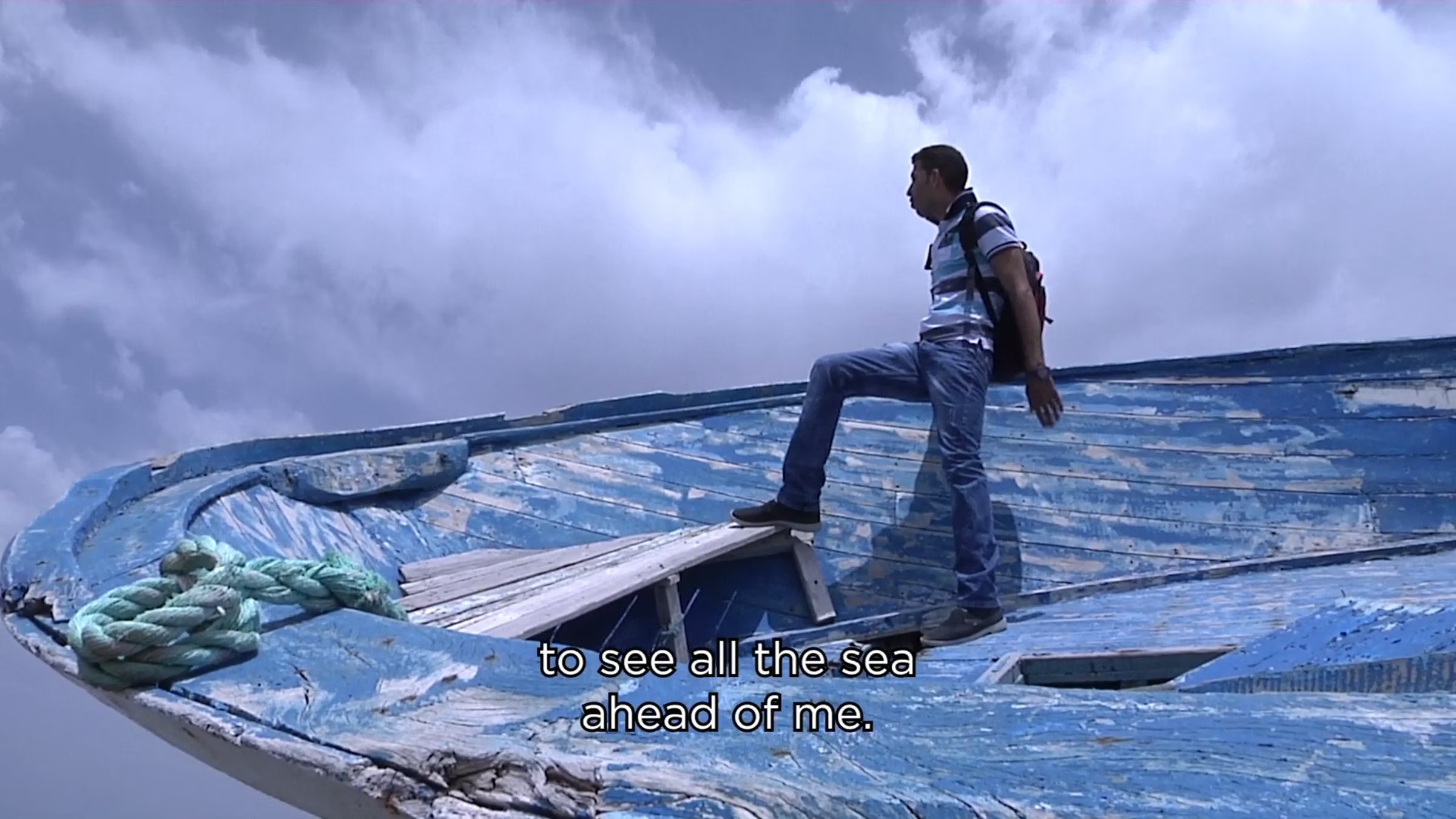
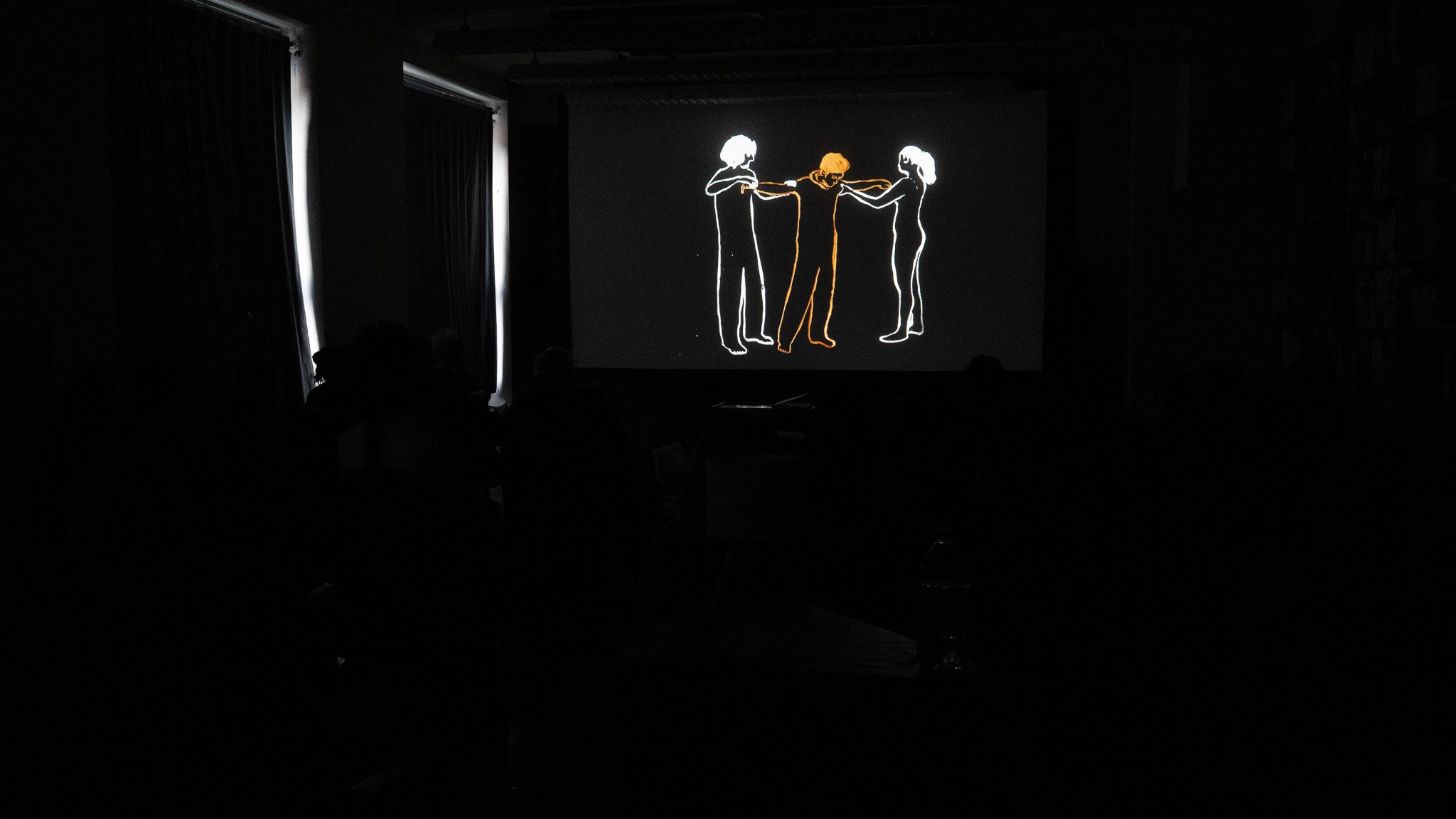
Ali, Mahmoud and Mohamed are three Egyptian men who lived in Italy without documents for almost ten years. Suddenly thanks to an amnesty they finally manage to legalise their status and their future is re-inhabited by possibilities. As part of their need to rediscover their dreams and hopes they decide to take the journey back to the first places of arrival, when they disembarked from the boats that had brought them as teenagers to Italy after crossing the Mediterranean. The film follows them back to the emblematic places of the past, where memories are intertwined with fantasies about what could be, or could have been, their possible new life. Collaborative documentary filmmaking is accompanied by creative narrative processes such as theatre, storytelling, photography and participatory animation.
Bio:
Alexandra D’Onofrio is a visual anthropologist, documentary filmmaker, and community arts facilitator whose work explores experiences of migration through collaborative practices of filmmaking, animation, theatre, and storytelling. Drawing on methods inspired by Theatre of the Oppressed, PhotoVoice, and Participatory Video, her practice investigates the spaces between imagination, memory, and lived experience in contexts of migration and critical events. She completed her PhD in Anthropology, Media, and Performance at the University of Manchester in 2017, based on a collaborative project with Egyptian men who had crossed the Mediterranean. Her award-winning ethnographic film It was Tomorrow (2018) is distributed by the Royal Anthropological Institute, and her forthcoming monograph Future Perfect: An imaginative ethnography of Mediterranean illegalised migration will be published by Manchester University Press in 2026. She collaborates with the Granada Centre for Visual Anthropology, University of Manchester, and a number of other MA programmes and Summer Schools in Europe where she teaches visual and social anthropology at both undergraduate and postgraduate levels.
It Was Tomorrow (2018)
Screening, and Discussion
With filmmaker/anthropologist Alexandra D'Onofrio In-Person
Location: Peterson Hall 108
Film Duration: 52 Minutes
Co-Presented by McGill Refugee Research Group
Synopsis:
Ali, Mahmoud and Mohamed are three Egyptian men who lived in Italy without documents for almost ten years. Suddenly thanks to an amnesty they finally manage to legalise their status and their future is re-inhabited by possibilities. As part of their need to rediscover their dreams and hopes they decide to take the journey back to the first places of arrival, when they disembarked from the boats that had brought them as teenagers to Italy after crossing the Mediterranean. The film follows them back to the emblematic places of the past, where memories are intertwined with fantasies about what could be, or could have been, their possible new life. Collaborative documentary filmmaking is accompanied by creative narrative processes such as theatre, storytelling, photography and participatory animation.
Bio:
Alexandra D’Onofrio is a visual anthropologist, documentary filmmaker, and community arts facilitator whose work explores experiences of migration through collaborative practices of filmmaking, animation, theatre, and storytelling. Drawing on methods inspired by Theatre of the Oppressed, PhotoVoice, and Participatory Video, her practice investigates the spaces between imagination, memory, and lived experience in contexts of migration and critical events. She completed her PhD in Anthropology, Media, and Performance at the University of Manchester in 2017, based on a collaborative project with Egyptian men who had crossed the Mediterranean. Her award-winning ethnographic film It was Tomorrow (2018) is distributed by the Royal Anthropological Institute, and her forthcoming monograph Future Perfect: An imaginative ethnography of Mediterranean illegalised migration will be published by Manchester University Press in 2026. She collaborates with the Granada Centre for Visual Anthropology, University of Manchester, and a number of other MA programmes and Summer Schools in Europe where she teaches visual and social anthropology at both undergraduate and postgraduate levels.