Apr 17, 2026
Apr 17, 2026
-
-
4pm
4pm
Screening
Screening
Screening
Field Images
Field Images
04/17 @ 4 - 6 PM (Vernissage)
Peterson Hall 108
"Field Images"
A Group Exhibition
Produced by the students of Professor Lisa Stevenson's ANTH 540 "Imagistic Anthropology"
On view through Thursday April 23
Open Daily 10AM - 5PM
Saturday April 18, 12PM - 5PM
Sunday April 19, Closed
Featuring the work of:
Wahid Al Mamun
Ayşegül Alpak
Sophie Becquet
Halima Bensaid
Sebastian Cortina
Lauren Frasca
Ari Javidi
Nicolas McGee
Mikal Nazarani
Tomoko Okabe
Victoria Platzer
Thomas Prud’homme
Ala Zareini
Synopsis:
This course, in many ways, has been a prolonged meditation on the question of what an image is. What is it that images do? How do images elicit or destabilize meaning? How do they conjure place, reconfigure time, or move between object, body, and the space in between? What kinds of agency do images have, and what might it mean to think imagistically?
Such questions tend towards proliferation rather than resolution. Over the semester, we’ve turned to various scholars across disciplines to help us grapple, from the structural, categorical frameworks of Saussurean linguistics and Freudian dream analysis, to the more lived, affective approaches found in phenomenology and art history. Across these methods, a loose definition started to arise. Perhaps we can define images not as objects, but as relations, mediations, encounters, or processes. Rather than transmit fixed meaning, images appear as events that spur interpretation, invite participation, and sometimes resist formulation altogether.
This exhibition takes shape within that understanding. It offers a space to encounter images (many of which emerge from classmates’ fieldwork) as presences to be engaged, rather than static representations. While we gesture toward certain explanations, we also recognize, with Maurice Merleau-Ponty, that “expressing what exists is an endless task,” something better left for the image itself.
This exhibition is housed in Peterson Hall 108, home to McGill’s Critical Media Lab, a space committed to exploring the intersections of anthropology and art through sound and image. Anthropology, as a discipline, has long harboured a certain iconophobia, privileging text over image. Lucien Taylor, in his essay “Iconophobia,” writes: “Anthropological writers seem to have turned their backs on film because they begrudge documentary its unique affinity with the human experience they too take as their (missing) object. Films have a way of exceeding theoretical bounds, and of showing anthropologists’ purchase on the lived experience of their subjects to be rather more precarious than they would like to believe.” (Taylor, 88).
If the written text provides more narrative control, distilling and contorting reality into symbolic form, then images behave differently. They remain closer to the lived realities of experience and are less easily contained, more open to interruption. In this sense, they acknowledge the limits of theory and expose the density of the real.
This exhibition is thus a movement away from bounded theory in favor of flowing encounter. To help orient ourselves, we have organized the pieces into three themes: Sites of Rupture, Horizons of Encounter, and Constructing Worlds.
Rupture invites us to think of how images can hold or express that which resists language; how they might be charged with affective potential. Encounter asks what it means to experience an image: how meaning is derived from engagement, and what forms of understanding might arise from illegibility. Worlds considers how images refract and constitute environments; how they index material realities while also holding space for the uncertain and imaginary.
These themes are not fixed categories, but guideposts. They spill over, much like the images themselves, and continue to press further questions: How do images provoke change? Do they carry a political force? Can they offer forms of psychic or narrative security? What might it mean to inhabit an image, rather than simply look at one? How might an image resist becoming paradigmatic, refusing to settle into symbolic certainty?
We do not expect these questions to be answered here. Instead, we invite you to sit with them, mull them over, and let them work upon you as you encounter these images.
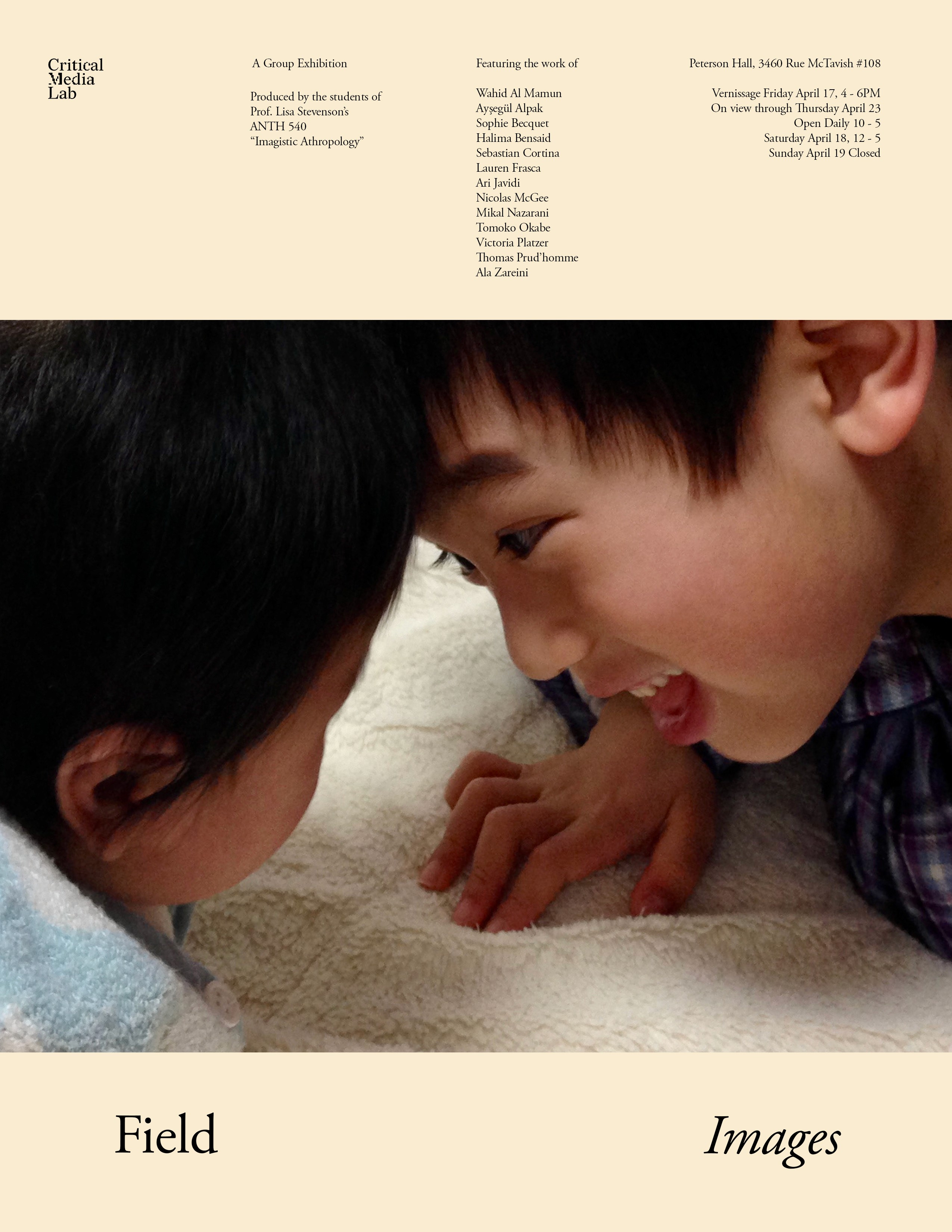
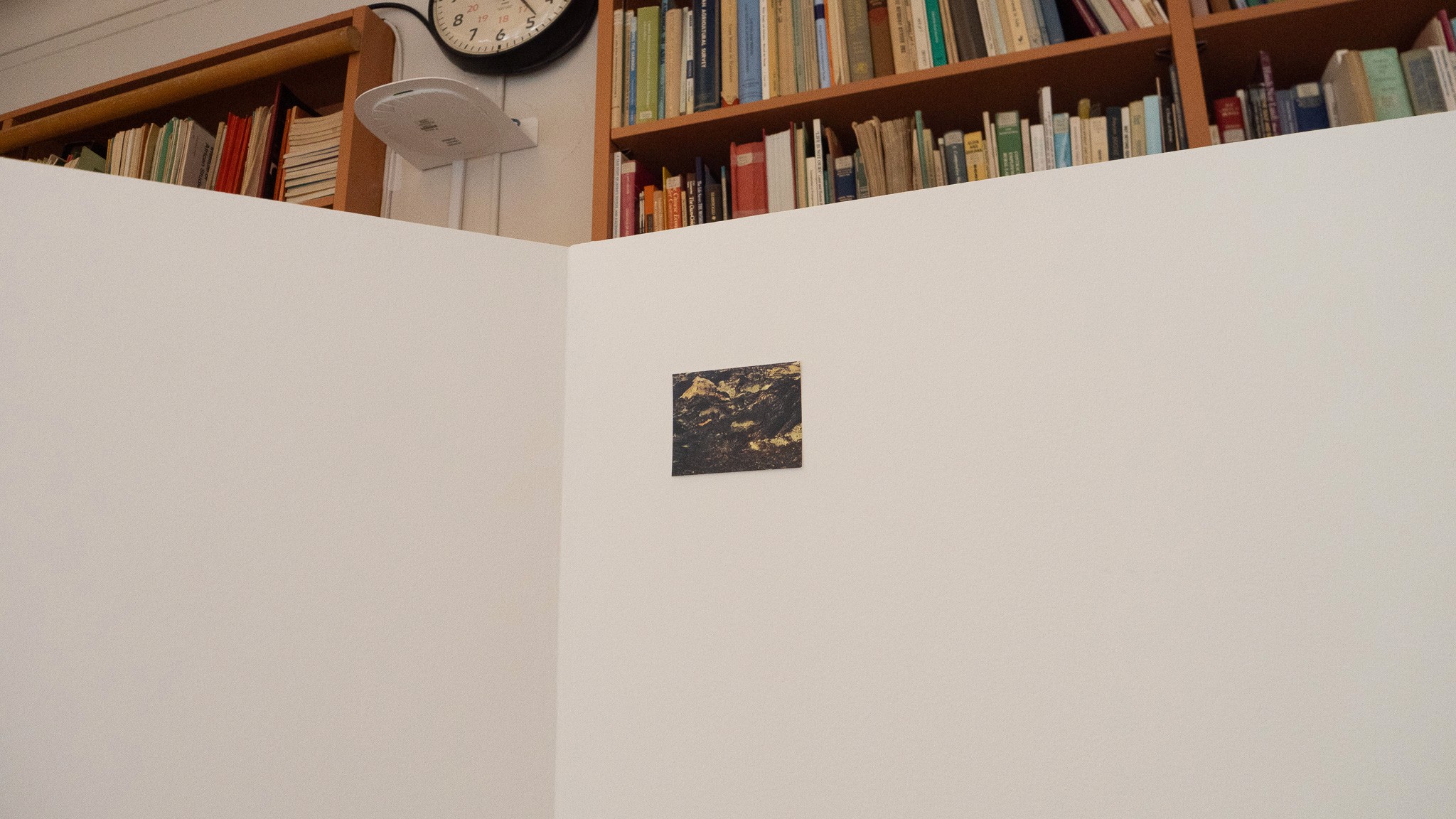
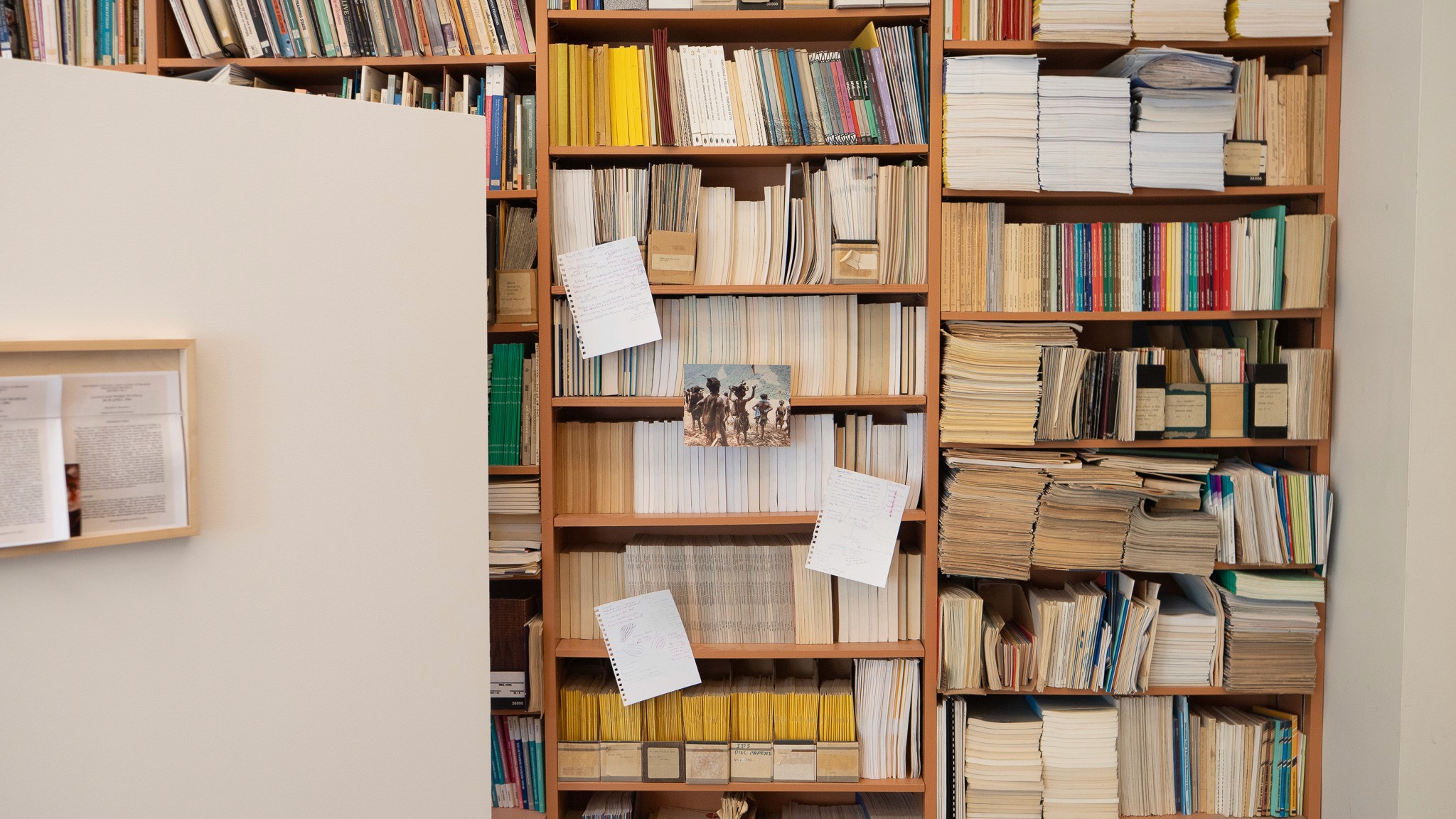
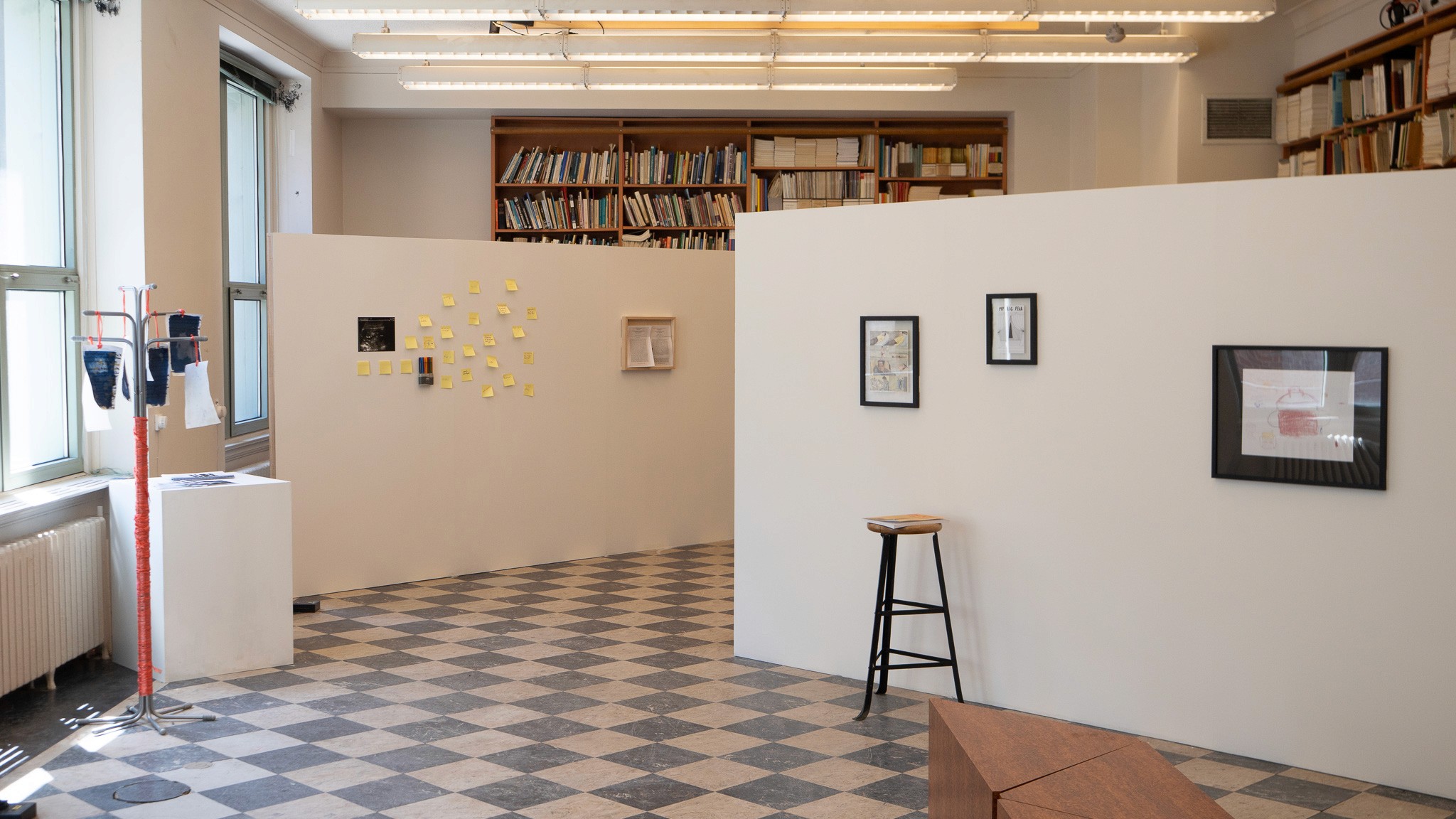
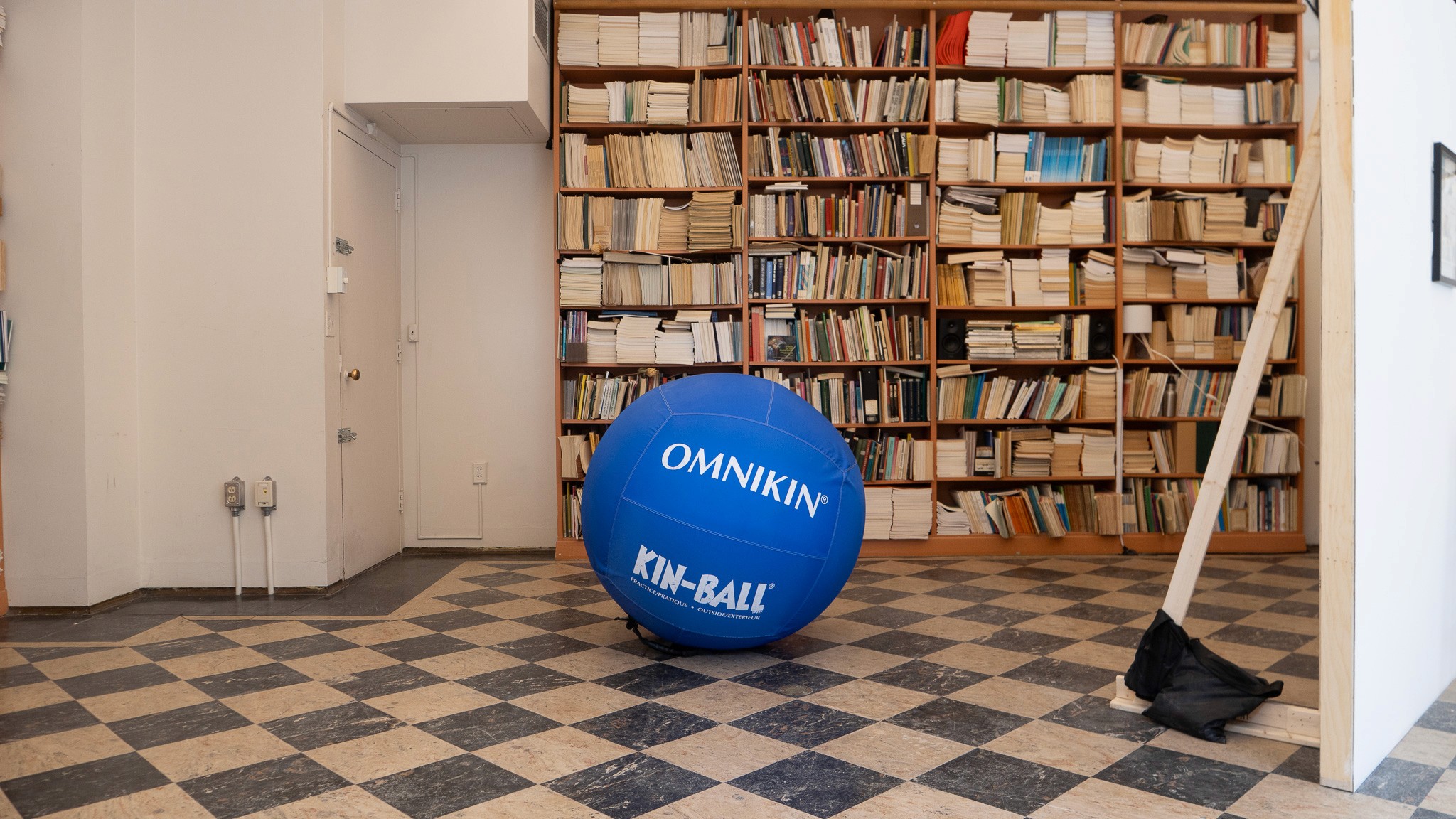
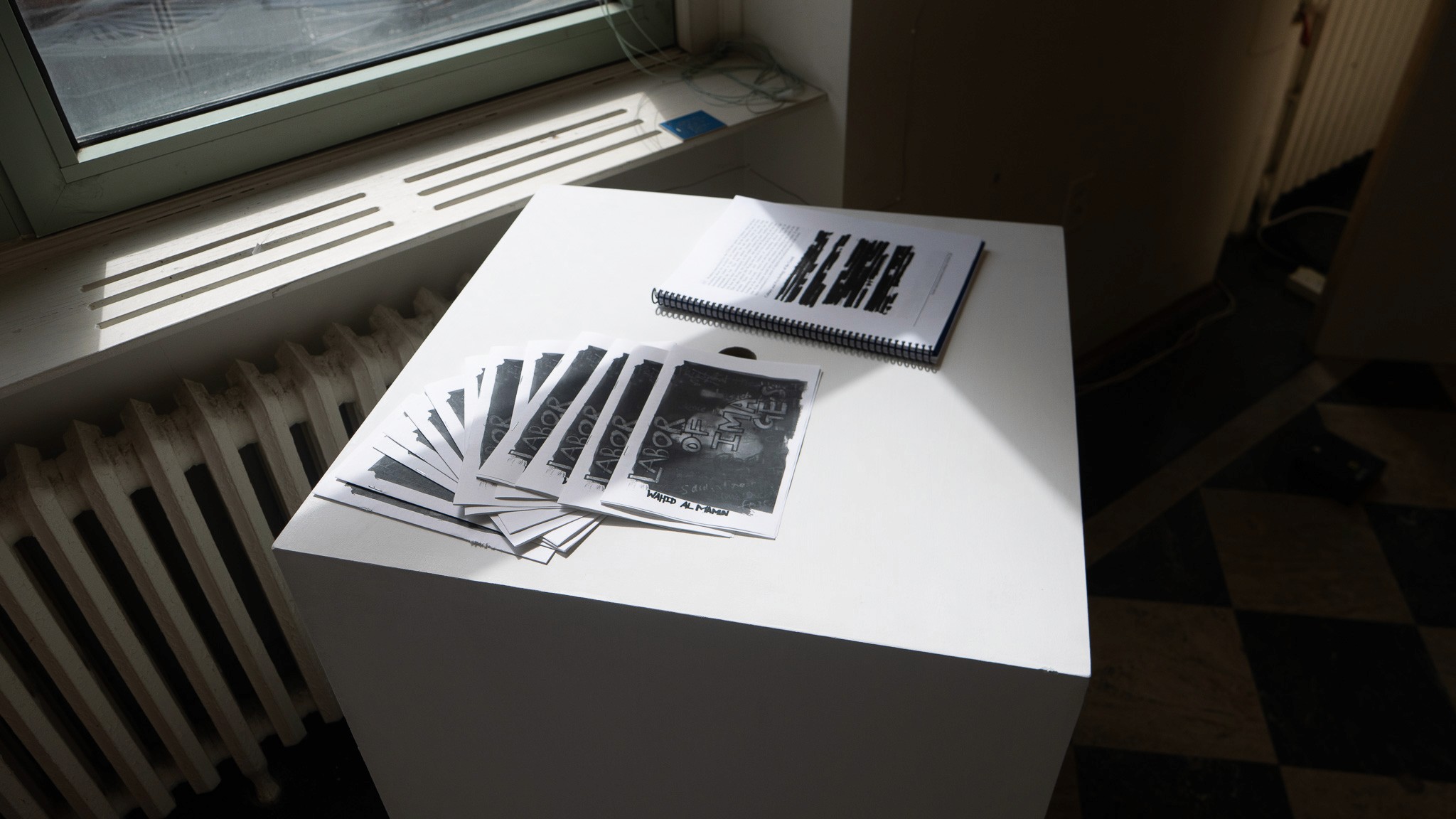
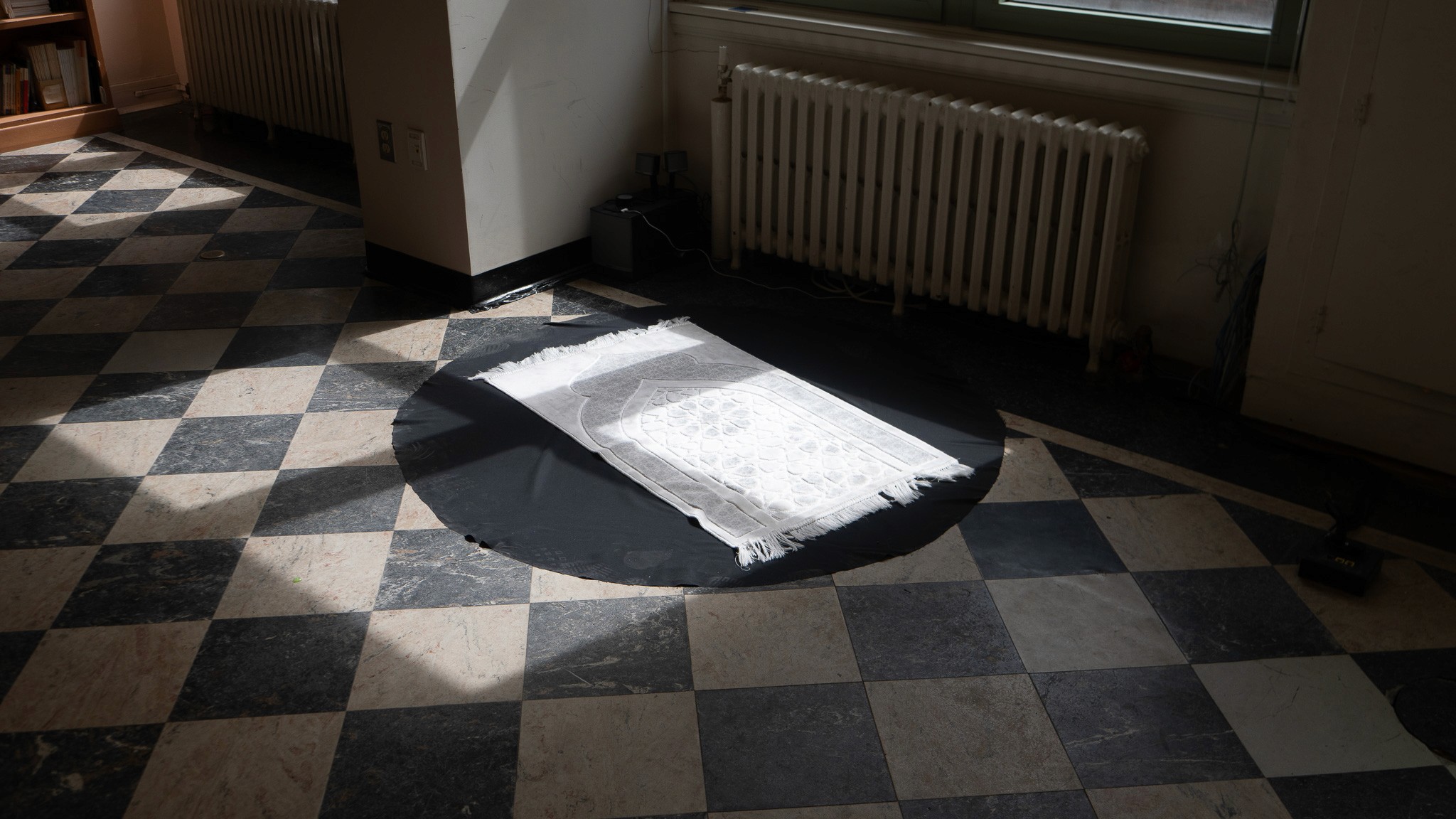
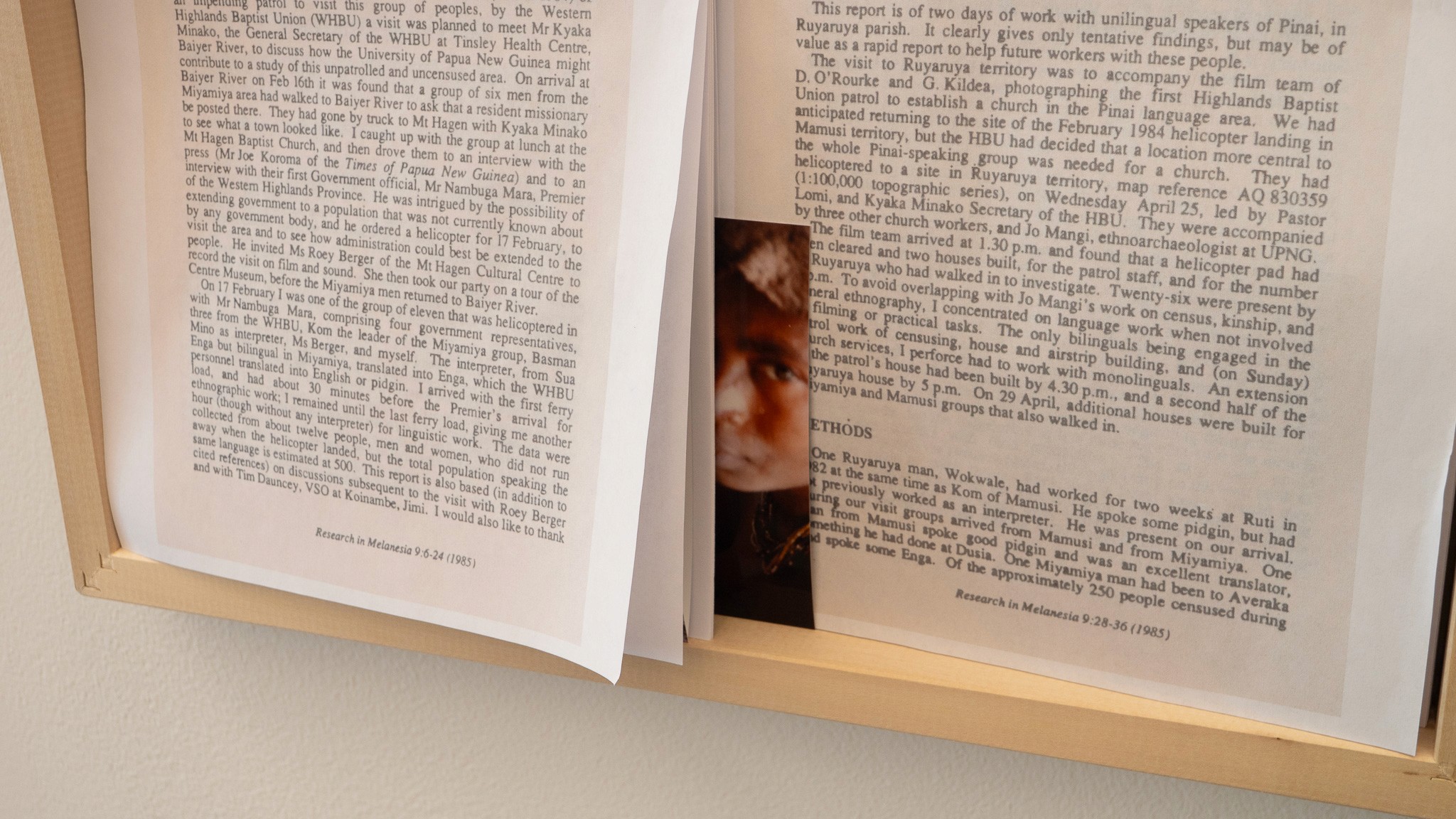
04/17 @ 4 - 6 PM (Vernissage)
Peterson Hall 108
"Field Images"
A Group Exhibition
Produced by the students of Professor Lisa Stevenson's ANTH 540 "Imagistic Anthropology"
On view through Thursday April 23
Open Daily 10AM - 5PM
Saturday April 18, 12PM - 5PM
Sunday April 19, Closed
Featuring the work of:
Wahid Al Mamun
Ayşegül Alpak
Sophie Becquet
Halima Bensaid
Sebastian Cortina
Lauren Frasca
Ari Javidi
Nicolas McGee
Mikal Nazarani
Tomoko Okabe
Victoria Platzer
Thomas Prud’homme
Ala Zareini
Synopsis:
This course, in many ways, has been a prolonged meditation on the question of what an image is. What is it that images do? How do images elicit or destabilize meaning? How do they conjure place, reconfigure time, or move between object, body, and the space in between? What kinds of agency do images have, and what might it mean to think imagistically?
Such questions tend towards proliferation rather than resolution. Over the semester, we’ve turned to various scholars across disciplines to help us grapple, from the structural, categorical frameworks of Saussurean linguistics and Freudian dream analysis, to the more lived, affective approaches found in phenomenology and art history. Across these methods, a loose definition started to arise. Perhaps we can define images not as objects, but as relations, mediations, encounters, or processes. Rather than transmit fixed meaning, images appear as events that spur interpretation, invite participation, and sometimes resist formulation altogether.
This exhibition takes shape within that understanding. It offers a space to encounter images (many of which emerge from classmates’ fieldwork) as presences to be engaged, rather than static representations. While we gesture toward certain explanations, we also recognize, with Maurice Merleau-Ponty, that “expressing what exists is an endless task,” something better left for the image itself.
This exhibition is housed in Peterson Hall 108, home to McGill’s Critical Media Lab, a space committed to exploring the intersections of anthropology and art through sound and image. Anthropology, as a discipline, has long harboured a certain iconophobia, privileging text over image. Lucien Taylor, in his essay “Iconophobia,” writes: “Anthropological writers seem to have turned their backs on film because they begrudge documentary its unique affinity with the human experience they too take as their (missing) object. Films have a way of exceeding theoretical bounds, and of showing anthropologists’ purchase on the lived experience of their subjects to be rather more precarious than they would like to believe.” (Taylor, 88).
If the written text provides more narrative control, distilling and contorting reality into symbolic form, then images behave differently. They remain closer to the lived realities of experience and are less easily contained, more open to interruption. In this sense, they acknowledge the limits of theory and expose the density of the real.
This exhibition is thus a movement away from bounded theory in favor of flowing encounter. To help orient ourselves, we have organized the pieces into three themes: Sites of Rupture, Horizons of Encounter, and Constructing Worlds.
Rupture invites us to think of how images can hold or express that which resists language; how they might be charged with affective potential. Encounter asks what it means to experience an image: how meaning is derived from engagement, and what forms of understanding might arise from illegibility. Worlds considers how images refract and constitute environments; how they index material realities while also holding space for the uncertain and imaginary.
These themes are not fixed categories, but guideposts. They spill over, much like the images themselves, and continue to press further questions: How do images provoke change? Do they carry a political force? Can they offer forms of psychic or narrative security? What might it mean to inhabit an image, rather than simply look at one? How might an image resist becoming paradigmatic, refusing to settle into symbolic certainty?
We do not expect these questions to be answered here. Instead, we invite you to sit with them, mull them over, and let them work upon you as you encounter these images.