Feb 20, 2026
Feb 20, 2026
-
-
6pm
6pm
Screening
Screening
Screening
Academic Freedom
Academic Freedom
Screening and Discussion.
Location: Peterson Hall 108
Presented by Law Students for Palestine McGill and Subversive Film.
Programme:
1. Checkpoint (2021)
Dir. Jana Kattan | Animated, 6 min.
Set in the occupied territory of modern-day Palestine known as the West Bank, Checkpoint follows 11 year old Leila, who wakes up before dawn every morning to try to get to school on time. Her obstacle is the military occupation of her environment- specifically, the notorious checkpoint she must cross everyday to get to her school. Despite Leila’s best efforts to prepare, she cannot control the seemingly endless queue, or the strong possibility she will be randomly denied access to the other side.
2. The School at Al Khan Al Ahmad (2017)
Dir. Helen Eisler | Documentary, 18 min.
In this film about the Palestinian Bedouin village of Al Khan al Ahmar, human rights academic Dr. Alice Panepinto and film-maker Helen Eisler tell the story of a West Bank school facing demolition and the impact on the community around it. It explains the wider socio-legal significance of the Al Khan al Ahmar school demolition case in the context of land control in the West Bank, and considers how the lengthy legal case carries broader implications for the Bedouin and their way of life, as well as peace and justice in Israel-Palestine.
3. Emwas: Restoring Memory (2016)
Dir. Dima Abu Ghoush | Documentary, 52 min.
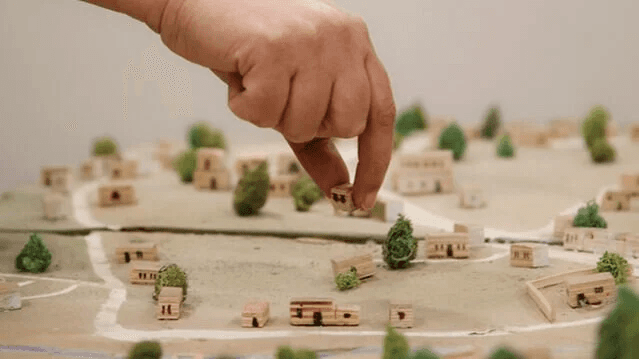
Filmmaker Dima Abu Ghoush was born in the village of Emwas, 16 miles from Jerusalem in the Latrun area of the West Bank. On the second day of the 1967 War, Dima, aged 2, and her family were expelled by the Israeli army, like all the other villagers, along with all inhabitants of the nearby villages of Yalo and Bayt Nuba. All her life, Dima has heard stories about Emwas, but she knows this place only as Canada Park, which was established by Israel in 1973 in the villages’ place. In 2009, with the help of family and friends, Dima decides to make a model of Emwas as it used to be. The film revives the lost village through the collective memory of those who used to live there and still dream of returning.
Screening and Discussion.
Location: Peterson Hall 108
Presented by Law Students for Palestine McGill and Subversive Film.
Programme:
1. Checkpoint (2021)
Dir. Jana Kattan | Animated, 6 min.
Set in the occupied territory of modern-day Palestine known as the West Bank, Checkpoint follows 11 year old Leila, who wakes up before dawn every morning to try to get to school on time. Her obstacle is the military occupation of her environment- specifically, the notorious checkpoint she must cross everyday to get to her school. Despite Leila’s best efforts to prepare, she cannot control the seemingly endless queue, or the strong possibility she will be randomly denied access to the other side.
2. The School at Al Khan Al Ahmad (2017)
Dir. Helen Eisler | Documentary, 18 min.
In this film about the Palestinian Bedouin village of Al Khan al Ahmar, human rights academic Dr. Alice Panepinto and film-maker Helen Eisler tell the story of a West Bank school facing demolition and the impact on the community around it. It explains the wider socio-legal significance of the Al Khan al Ahmar school demolition case in the context of land control in the West Bank, and considers how the lengthy legal case carries broader implications for the Bedouin and their way of life, as well as peace and justice in Israel-Palestine.
3. Emwas: Restoring Memory (2016)
Dir. Dima Abu Ghoush | Documentary, 52 min.
Filmmaker Dima Abu Ghoush was born in the village of Emwas, 16 miles from Jerusalem in the Latrun area of the West Bank. On the second day of the 1967 War, Dima, aged 2, and her family were expelled by the Israeli army, like all the other villagers, along with all inhabitants of the nearby villages of Yalo and Bayt Nuba. All her life, Dima has heard stories about Emwas, but she knows this place only as Canada Park, which was established by Israel in 1973 in the villages’ place. In 2009, with the help of family and friends, Dima decides to make a model of Emwas as it used to be. The film revives the lost village through the collective memory of those who used to live there and still dream of returning.