Sep 15, 2026
Sep 15, 2026
-
-
5.30pm
5.30pm
Screening
Screening
Screening
24 Heures ou Plus
24 Heures ou Plus
00/15 @ 5:30 PM
24 Heures ou Plus (1973)
VO STA
A film by Gilles Groulx
Preceded by Nightshift (2026) by Chloe Damm
Screening and Discussion
Presented by QPIRG and Syndicat Générale
Synopsis:
EN:
This feature film made during an exceptionally feverish period of popular revolt that saw the coming together of Quebec’s 3 main unions (CSN, FTQ, CEQ) is a cinematic tract by socially engaged filmmaker Gilles Groulx. Propped against the backdrop of the 1970 October Crisis, the film is a frontal assault denouncing a “consumer society” viewed as the ultimate embodiment of evil.
FR:
Pamphlet cinématographique réalisé par Gilles Groulx à un moment de fièvre populaire exceptionnelle au Québec, quelques mois après le front commun des trois syndicats québécois les plus importants (CSN, FTQ, CEQ) face au gouvernement québécois. Œuvre personnelle et militante d'un cinéaste québécois engagé, sa philosophie s’oppose à la « société de consommation » perçue comme la suprême incarnation du mal.
Bio:
Gilles Groulx was born in 1931 in Quebec. He started with making short 8 mm amateur films before joining the National Film Board (NFB) in the late 1950s, where he worked as a film editor then director.
His first documentary, Les raquetteurs (1958), which he co-directed with Michel Brault, became a landmark in the evolution of direct cinema. In the years following the movie, Groulx directed several shorts in direct cinema style, the most known of which are Golden Gloves(1961), about an aspiring, unemployed boxer, Voir Miami... (1963), which analyzes Quebeckers’ fascination with and resistance to American culture and Un jeu si simple (1965), a film about hockey.
In 1963 Groulx made Le chat dans le sac (1964), a feature length film where documentary form is blended with the self-referential approach of new wave filmmaking to examine contemporary issues such as nationalism, feminism and Marxism. The film is often acknowledged as marking the beginning of modern fiction film in Quebec. His more “traditional” documentary film 24 heures ou plus... (1973), a passionate study of Quebec politics and society in the early 1970s, was considered subversive by NFB and bnned from circulation until 1976.
In all of his films, Groulx criticized capitalist society and the inability of Quebeckers to escape the North American culture saturated with vacuous images and useless products. In 1981, as he was finishing his surrealist fiction film about a selfish businessman, Au pays de Zom (1982), Groulx was involved in a serious automobile accident that ended his career.
Groulx died in 1994. The documentary about his life Trop c’est assez was made by Richard Broulillette in 1995.
00/15 @ 5:30 PM
24 Heures ou Plus (1973)
VO STA
A film by Gilles Groulx
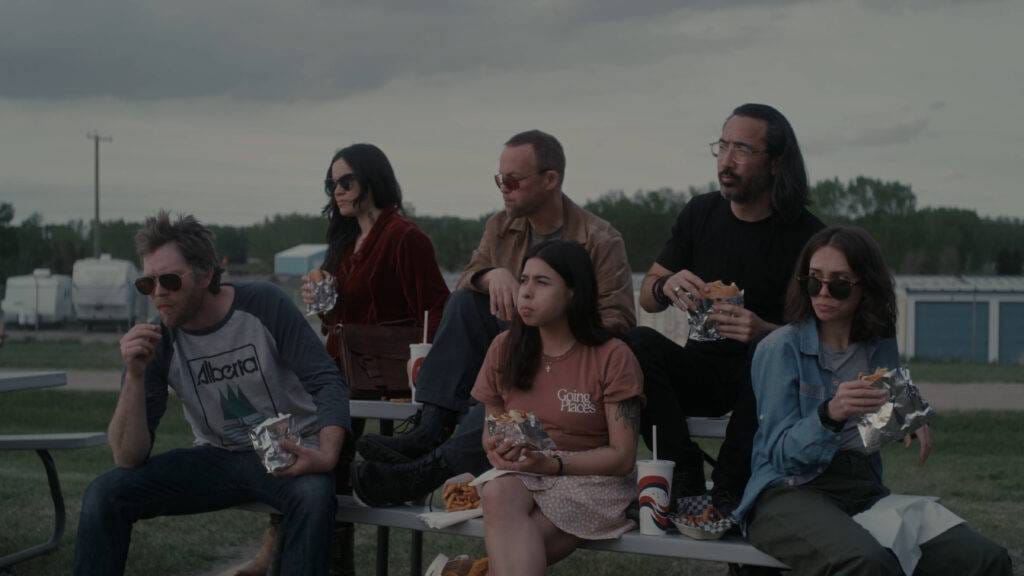
Preceded by Nightshift (2026) by Chloe Damm
Screening and Discussion
Presented by QPIRG and Syndicat Générale
Synopsis:
EN:
This feature film made during an exceptionally feverish period of popular revolt that saw the coming together of Quebec’s 3 main unions (CSN, FTQ, CEQ) is a cinematic tract by socially engaged filmmaker Gilles Groulx. Propped against the backdrop of the 1970 October Crisis, the film is a frontal assault denouncing a “consumer society” viewed as the ultimate embodiment of evil.
FR:
Pamphlet cinématographique réalisé par Gilles Groulx à un moment de fièvre populaire exceptionnelle au Québec, quelques mois après le front commun des trois syndicats québécois les plus importants (CSN, FTQ, CEQ) face au gouvernement québécois. Œuvre personnelle et militante d'un cinéaste québécois engagé, sa philosophie s’oppose à la « société de consommation » perçue comme la suprême incarnation du mal.
Bio:
Gilles Groulx was born in 1931 in Quebec. He started with making short 8 mm amateur films before joining the National Film Board (NFB) in the late 1950s, where he worked as a film editor then director.
His first documentary, Les raquetteurs (1958), which he co-directed with Michel Brault, became a landmark in the evolution of direct cinema. In the years following the movie, Groulx directed several shorts in direct cinema style, the most known of which are Golden Gloves(1961), about an aspiring, unemployed boxer, Voir Miami... (1963), which analyzes Quebeckers’ fascination with and resistance to American culture and Un jeu si simple (1965), a film about hockey.
In 1963 Groulx made Le chat dans le sac (1964), a feature length film where documentary form is blended with the self-referential approach of new wave filmmaking to examine contemporary issues such as nationalism, feminism and Marxism. The film is often acknowledged as marking the beginning of modern fiction film in Quebec. His more “traditional” documentary film 24 heures ou plus... (1973), a passionate study of Quebec politics and society in the early 1970s, was considered subversive by NFB and bnned from circulation until 1976.
In all of his films, Groulx criticized capitalist society and the inability of Quebeckers to escape the North American culture saturated with vacuous images and useless products. In 1981, as he was finishing his surrealist fiction film about a selfish businessman, Au pays de Zom (1982), Groulx was involved in a serious automobile accident that ended his career.
Groulx died in 1994. The documentary about his life Trop c’est assez was made by Richard Broulillette in 1995.